As we settle into 2026, I’m hearing the same question from a lot of small business owners: What do we actually mean by flexible working?
The dialogue around flexible work often sounds like an ultimatum. But perhaps we should instead make it an exploration.
Instead of dictating that flexible work must be adopted, we might ask: Could flexible work be a better way to build a stronger, more accountable partnership between employers and employees?
It’s time for the conversation to mature, focusing on how outcomes – not working hours – will unlock greater value and mutual respect.
Is it time to drop the word ‘flexible’ altogether?
Effort versus results
In 2026, this is about different measures and behaviours.
And this can make things harder. Because we’re often used to deciding how to structure our day based on start and finish times – not effort versus results. But entrepreneurs have never worked rigid hours.
So businesses that can assess effort versus results will be the winners. Employees who can see the difference they make, and get recognised for that, are better motivated.
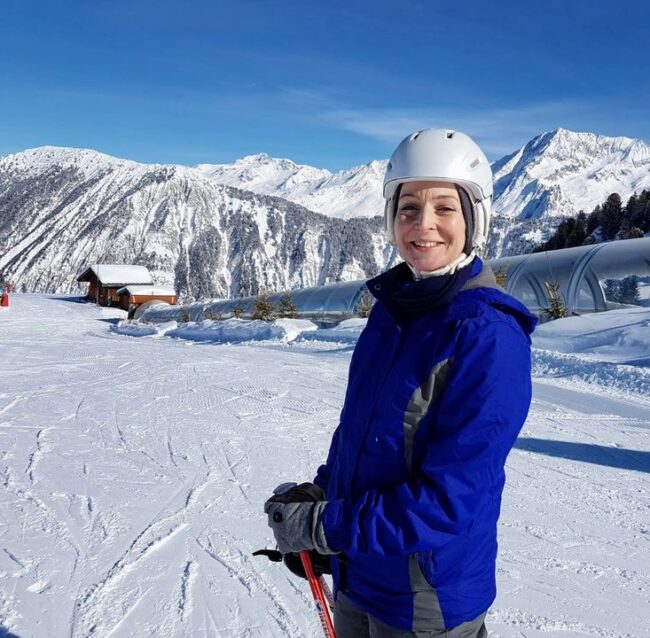
A few years ago, I moved from full-time to part-time work. Life necessitated it.
I produced better work part-time because I discovered I didn’t have the luxury of allowing my time to bleed into other areas.
So not only was I busier than ever, I was also sharper than ever. This was a skill I mastered not because I was new to managing my time well, but because I got clearer about what I needed to do in that time.
A colleague even commented, ‘For someone who’s part-time, you’re around a lot!’
I wasn’t around a lot. But I was present and committed when I was needed, and I had to make the working arrangements work, so I focused on what mattered and got rid of the rest.
This experience taught me a lot. And when I see people working in co-working spaces, quite often relaxed, discussions meandering, I know they could be more productive.
It’s clear to me that they could achieve more in fewer hours. So what needs to change about flexible working to make it truly flexible – and productive?
A world where ‘flexible’ is obsolete
As with any form of change, we need to decide what kind of world we want to create.
As we said earlier, if work is truly flexible, we probably shouldn’t even need the word ‘flexible’.
In my world, it should be a given that it’s about doing the work that needs to be done in a way that works for everyone involved. This includes customers, suppliers, employees and colleagues.
And I hear ‘flexible’ confused with ‘convenient’. More obsessed with where people sit or the hours they choose, than about how they are spending their time and what outcomes they achieve. And this is where the real issue lies.
The ongoing debate about office vs home vs hybrid suggests we’ve overcomplicated something fairly simple.
Raising our game
My vision is to aim for trust, shared goals and clarity – on both sides.
That means shifting the conversation away from how work is monitored and towards what good work looks like. And all sides of the equation need to consider raising their game.
For employers, this can mean building flexibility into the business model, measuring success by outcomes, and using it as a genuine way to attract and retain people.
For employees, it asks for a different level of ownership – strong self-management, clear communication and real accountability for deadlines and quality.
And for managers, it often means letting go of managing by sight and learning how to lead by outcomes instead. That’s a skill in itself.
Empowerment not control
If we seek employees with initiative, innovation and drive, empowering them with flexibility and a focus on outcomes could be the most effective path.
Creating a flexible and accountable culture isn’t about policies alone. It comes from challenging assumptions, having honest conversations and being prepared to evolve.
If we confuse ‘management’ with ‘control’, we risk stifling trust. If we confuse ‘autonomy’ with ‘power’ we risk stifling growth.
A clear vision relies on properly agreeing what good looks like, i.e. the outcomes. It’s also about having honest conversations when an expectation hasn’t been met.
If you’re not sure what the right answers look like yet, that’s usually where the real work starts.
Ready to explore what might work better for your team and your business? Please get in touch. I’d be very happy to talk.
Please email tash@organicposolutions.co.uk to arrange a chat.